The State of the Floral Industry in 2026: Rising Costs, Narrowing Margins, and Changing Consumer Behavior
- June 1, 2026
- 5 minutes read
The squeeze, in plain numbers
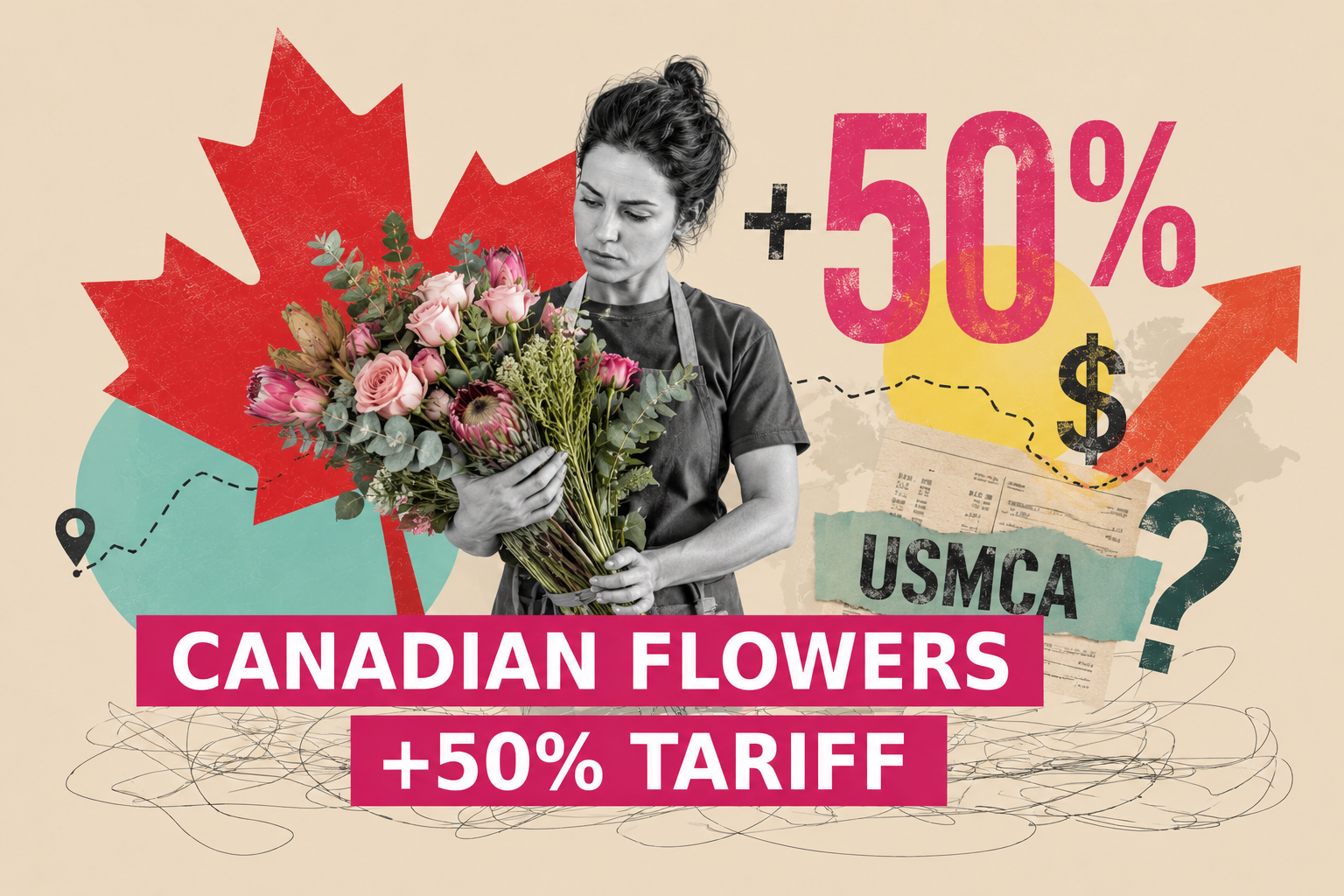
Florists have always run on thin margins. The difference now is that almost every input cost is rising at the same time.Airline fuel charges are fluctuating significantly right now due to the sharp rise in jet fuel prices worldwide. Major air cargo fuel surcharges are currently running roughly 20–30% above base freight rates on many international lanes. Trucking fuel charges have moved from a 30–35% range to 60–65%. Safe to say it’s about a 30–35% increase across the board.
— Joost Bongaerts, CEO, Florabundance
A lot of wholesalers absorbed the tariffs to keep their customers steady. They can’t do that with fuel. Those costs get passed through to you.
The pricing question
When costs climb, the instinct is to hold prices steady and eat the difference. According to SAF, that instinct cost florists this year. The shops that did best during Valentine’s Day and Mother’s Day 2026 were the ones that raised prices.Absorbing isn’t a strategy. With costs up across every input, holding prices flat just means bleeding out slower. Test, watch the results, and adjust.
Three consumer trends every florist should know
Mother’s Day 2026 gave us a clear look at how customer behavior is changing.- 1
Customers upgraded.
Our florists’ upsell rate jumped 7% year over year. More customers picked premium and deluxe over standard. The customers who do buy from a real florist are willing to spend more. Make the upgrade easy to see and easy to choose.
- 2
Orders came in late.
Pre-orders were soft. The volume hit Friday through Sunday. If your shop isn’t built for same-day and next-day fulfillment, you’re leaving real money on the table.
- 3
Websites won.
Online orders for BloomNation florists hit a record high and beat walk-ins and phone orders combined. In 2026, your website is your store.
Where the savings actually are
When margins tighten, the instinct is to cut product, marketing, or staff. In nearly every shop we’ve worked with, that’s the wrong place to look.The take rate plus hidden fees can become the biggest line item draining your shop.
Flowers tossed at week’s end, badly routed deliveries, recipes no one costs out by the stem.
Website, POS, email, SMS, SEO, proposals. Each subscription looks small. Together they add up fast.
Unanswered calls and slow websites are real money out the door every week.
Where technology and automation come in
The shops handling 2026 best aren’t always the ones with the biggest customer base. They’re the ones using technology to do more with less.-
- Smart delivery routing saves real money on fuel at exactly the time fuel costs are spiking.
-
- AI receptionists answer calls, take orders, and capture leads at any hour.
-
- Recipe and stem-counting tools keep margin from leaking out of every arrangement.
-
- Automated email, SMS, and social tools give a small shop the reach of a much bigger one.
-
- One integrated platform can put a few hundred dollars a month back in your pocket.
What to do in the second half of the year
-
- Run the math on your wire orders — fees in, fees out, what’s actually left.
-
- Audit your tech stack and ask whether five tools could be one.
-
- Recost your ingredients at today’s wholesale and freight numbers, not last year’s.
-
- Make sure your website is built to convert and upsell.
-
- Get ready for same-day and next-day delivery — that’s when people are buying.
-
- Make sure no call, lead, or order is slipping through the cracks.
How BloomNation helps with today’s pressures
BloomNation was built to help florists stay resilient. Here’s what that looks like in practice.
- SEO-driven websites that convert
- Smart delivery routing
- POS, proposals & event tools
- Recipe & Stem Counter
- AI receptionist for missed calls
- Email & SMS marketing built-in
- No wire service commissions
- Lili AI for content automation
Walk through your numbers, see how your website compares to others in your area, and figure out what to change to finish 2026 strong.
Speak with our team →